








Labour has potentially kicked off the beginning of the end for British virgin steel in their Net Zero drive, in a move that has been slammed by critics.
Last night, the Government indicated the end might be nigh for virgin steel making in Britain in order to meet its Net Zero commitments.
Despite growing concerns about losing the infrastructure to make British virgin steel and an over-reliance on exports, the move is part of Labour's long-awaited multi billion Steel Strategy, published on Thursday.
The £2.5billion plan commits to electric arc furnaces (EAF) in a shift away from traditional blast furnaces, as a cleaner way of producing steel.
TRENDING
Stories
Videos
Your Say
However, EAF cannot make virgin steel, which potentially risks British security if there was ever an urgent need to produce military assets, such as ships and tanks.
This comes after ministers spent nearly £400million of taxpayers' money to sustain the UK's last blast furnaces in Scunthrope in North Lincolnshire, after passing emergency legislation to take over management from Chinese steel conglomerate, Jingye, last April.
Speaking to the Daily Mail, retired Royal Navy Admiral Lord West, said: "We are still, notwithstanding what a lot of people think, a great power with a lot of interests including 14 overseas territories.
"It seems to me extraordinary that a country with that clout should not be able to produce virgin steel.
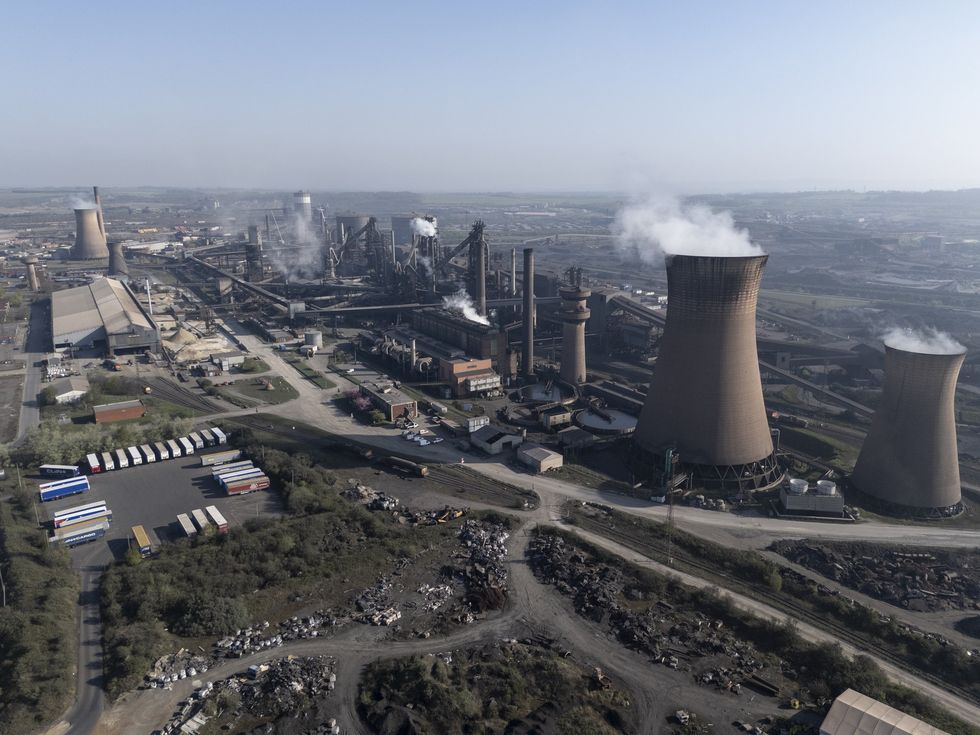
The British Steel Scunthorpe site in North Lincolnshire
|GETTY
"I can't believe America, France, China or Russia would do that. We would be very silly to just throw that away."
The Labour peer added that despite arguments that steel can be imported, Britain cannot "rely on even really old alliances", referencing Donald Trump and his controversial tariffs.
Opposition Conservatives have branded the situation a “fiasco”, accusing the Government of capitulating to Energy Secretary Ed Miliband’s Net Zero agenda.
Meanwhile, a senior Labour MP has urged ministers to “seriously consider” investing in new forms of primary steel production, including hydrogen-based methods, to ensure the UK can continue producing virgin steel.
LATEST DEVELOPMENTS
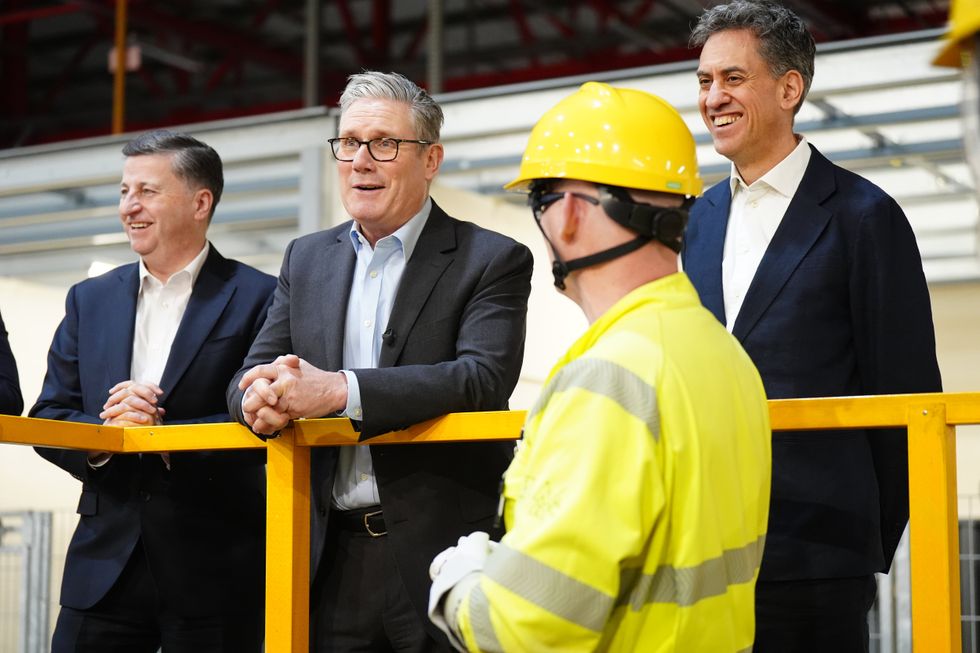
The steel production situation has been regarded as a 'fiasco' by opposition Tories, accusing the Government of capitulating to Ed Miliband's Net Zero agenda
|GETTY
Clive Betts MP, vice chairman of the Public Account Committee, said that he and his team would be probing the cost of the intervention at Scunthorpe.
He also raised the fact there are alternatives to making virgin steel without the need of blast furnaces, such as using hydrogen.
The Labour grandee said: "That would be a more modern, more environmentally-friendly way to deliver on the objective that we can still produce virgin steel."
The current level of imported steel, which included £50million purchased last year for government contracts which could of been home-made, is absurd, Mr Betts said.
Business and Trade Secretary Peter Kyle unveiled the Government’s Steel Strategy during a visit to Port Talbot in South Wales, where a new electric arc furnace is being developed with a capacity of around three million tonnes - similar to that of the Scunthorpe plant.
The project, led by Indian-owned Tata Steel, is being supported by £500million in taxpayer funding originally pledged under the previous Conservative government.
The strategy also introduces much-needed measures for the struggling sector, including 50 per cent tariffs on steel imports exceeding new quota thresholds from July 1, aimed at countering a surge of cheap steel from China.
Additional plans include a target for up to 50 per cent of steel used in the UK to be domestically produced - up from around 30 per cent currently - as well as efforts to ensure British firms can supply materials for major infrastructure projects such as wind turbines.
Mr Kyle said the Steel Strategy is designed to secure the sector’s role in key areas such as infrastructure, defence and clean energy.
The Government will make up to £2.5billion available through a combination of loans and grants.
Mr Kyle also expressed confidence in the industry’s long-term prospects, saying steel would remain essential as the UK invests in defence capabilities and major infrastructure projects.
He said: "We have a commitment to use British supply wherever possible and practicable. We are going to be doubling down on that."
Leading industrialist Sir Andrew Cook, a vocal critic of plans to scrap blast furnaces, backed the Government’s move to curb cheap imports and safeguard the domestic steel sector, which supports around 34,000 jobs.
He said the measures reflected the need to shield the industry from global market distortions.
More From GB News